
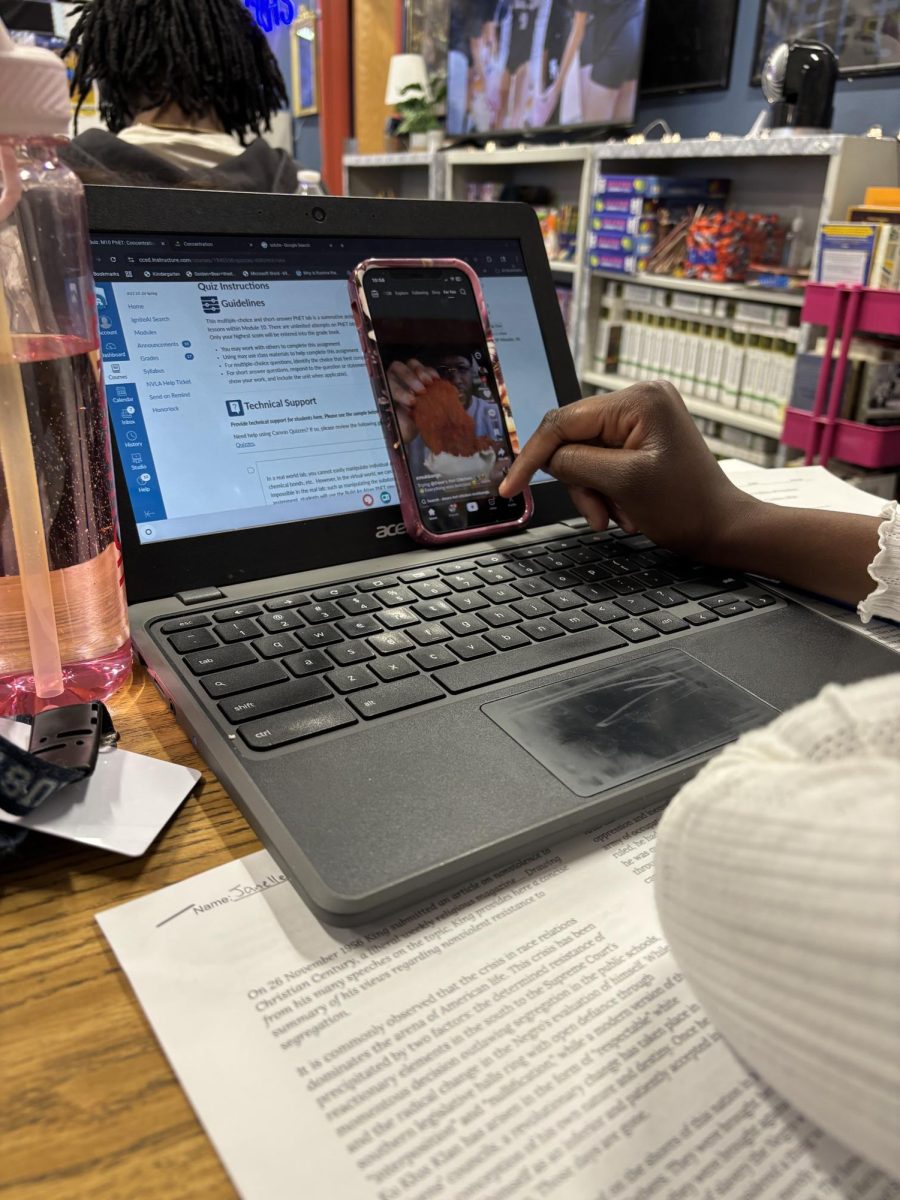
Multitasking has basically become part of everyday life at school. Between laptops, phones, and constant notifications, it’s easy to jump from one thing to another without even thinking about it. Students often switch between assignments, texts, and social media, thinking it helps them get more done. In reality, it usually does the opposite. The brain isn’t built to focus on multiple things at once, it just keeps switching back and forth, which makes it harder to actually stay locked in.
Junior Janelle Fiamordzi said, “At first multitasking feels helpful until everything takes way longer than it should. It’s harder to focus and once you get distracted, it’s hard to get back on track.”
When that focus keeps getting interrupted, understanding starts to slip. It becomes easier to miss instructions, forget what was just read, or make small mistakes that add up. This is especially noticeable during things like reading or writing, where attention really matters. Even checking a quick notification can throw everything off, and getting back into the same level of focus takes longer than expected. Over time, this can affect how well information is remembered and how well assignments are completed.
“My phone distracts me sometimes but I’ve gotten better at removing distractions. I’ll put my phone downstairs to prevent constantly checking my phone,” Fiamordzi stated. “Find something that works for you.”
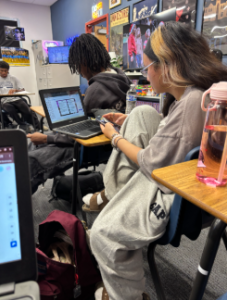
Another problem is that multitasking feels productive. It gives the impression that a lot is getting done at once, even if the quality isn’t there. Instead of finishing one thing fully, attention is split, and everything ends up being rushed or incomplete. Focusing on one task at a time might seem slower, but it actually leads to better results and less frustration in the long run.
Computers are often required for assignments, making it easier to be distracted. A student working on an online assignment can easily open another tab and play a game or work on something else than what was instructed. This also affects time management since tasks will take longer to finish due to constant interruptions, especially for longer or more demanding assignments that ask for deeper focus.
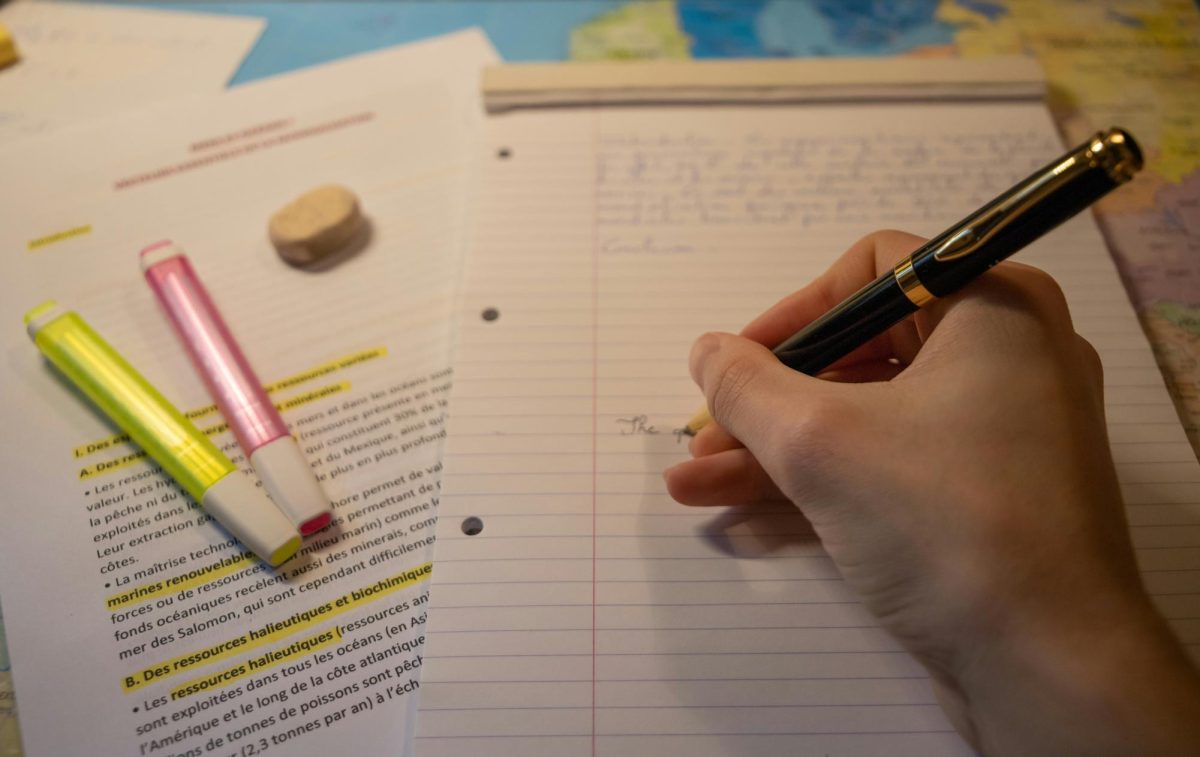
“Most people think they’re good at multitasking when in reality that’s just not true,” senior, Venice Nevine Velayo, expressed. “I recommend you just focus on one thing at a time. That’s an obvious answer, but it’s overlooked. Less distractions means work gets done faster and more efficiently.