
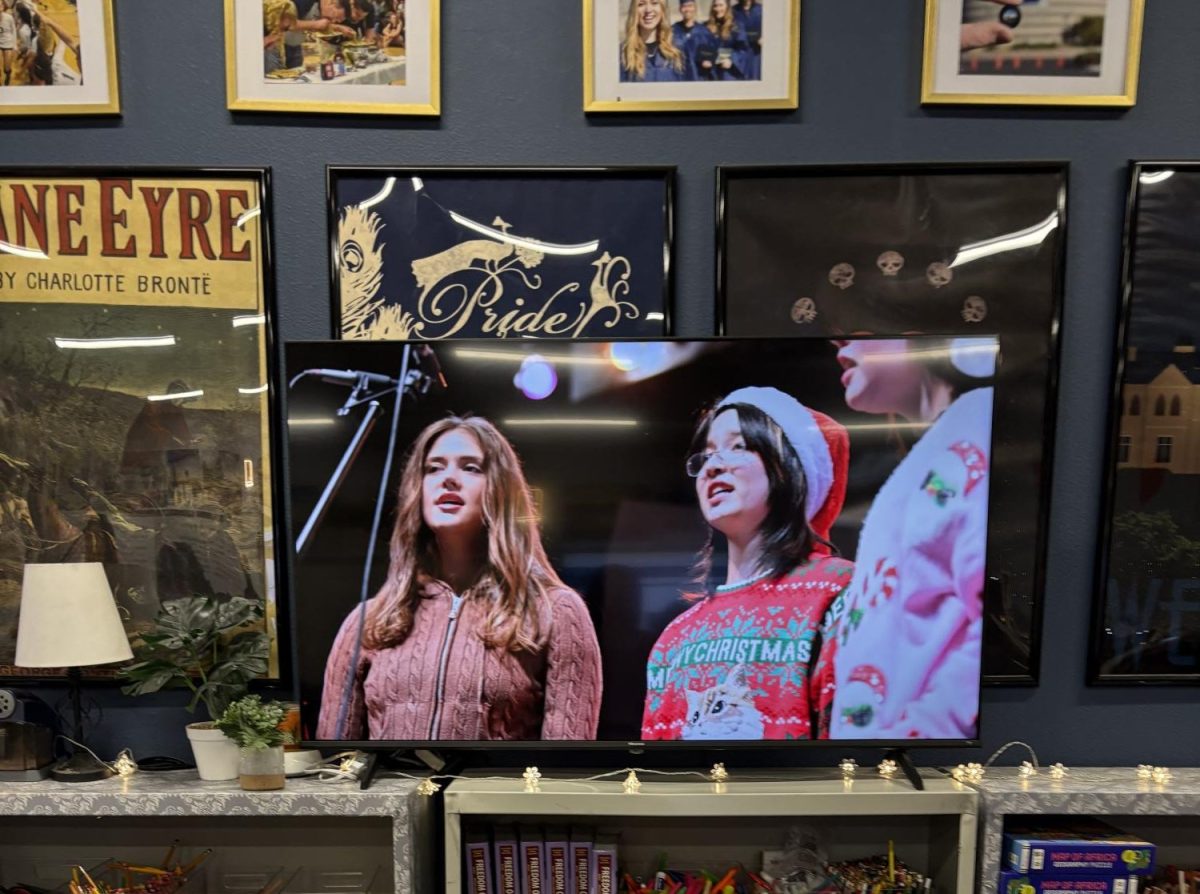
Just last year, Shadow Ridge High School switched from traditional lighting to adjustable LED lighting, meaning the brightness levels are able to be changed depending on the teacher’s preference. The classroom environment plays a major role in shaping how students learn and behave. Factors such as seating arrangement, noise levels, lighting and visual distractions all influence a student’s ability to focus. A well-organized classroom can support attention and participation, while a distracting or uncomfortable environment can make it difficult to stay engaged.
According to the National Institutes of Health, one important factor is lighting, particularly fluorescent lighting commonly used in schools. Harsh fluorescent lights can cause eye strain, headaches, and fatigue over time, which can reduce concentration during lessons. In contrast, natural or softer lighting tends to create a calmer atmosphere that supports focus and comfort. Even when students are not fully aware of it, uncomfortable lighting can act as a constant distraction.
Senior, Venice Nevine Velayo suggests, “The bright lighting makes it difficult to stay focused. Classrooms should have softer lighting to create a more comfortable space and would make it easier to stay engaged. I think teachers would see a noticeable difference if they adjusted the lighting in their rooms.”
The University of Huddersfield says that a classroom’s design may also affect learning. Classrooms that are overly decorated or cluttered can overwhelm students and pull attention away from instruction. While some visual elements can make a space more engaging, too much can reduce the ability to concentrate. Noise is another key factor, as ongoing background sounds or sudden disruptions can interrupt thinking and make it harder to process information clearly.
“I personally do get distracted when a teacher has a lot going on in the classroom. I find myself getting lost in posters, or whatever decorations or on the wall,” junior Janelle Fiamordzi stated. “Even then I hate when a teacher has no decoration at all. Adding that onto bright white lighting, makes it feel like I’m in a hospital.”
Seating arrangements further impacts engagement. Students seated closer to instruction are often more likely to stay focused and participate while those farther away may become less involved. A structured and comfortable environment can help students feel prepared to learn while a chaotic setting may lead to boredom or frustration.
As schools make changes to their classrooms, such as lighting, it brings in a question about what other things could support student learning. Paying attention to the classroom environment may lead to deeper focus, better student engagement, less distractions, and overall a more effective learning environment