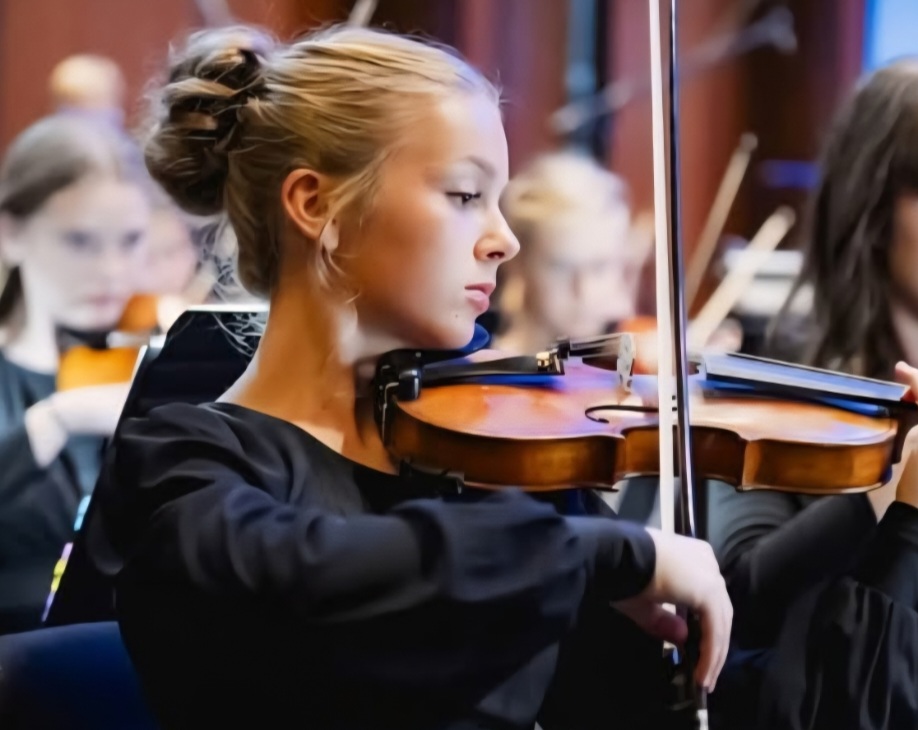

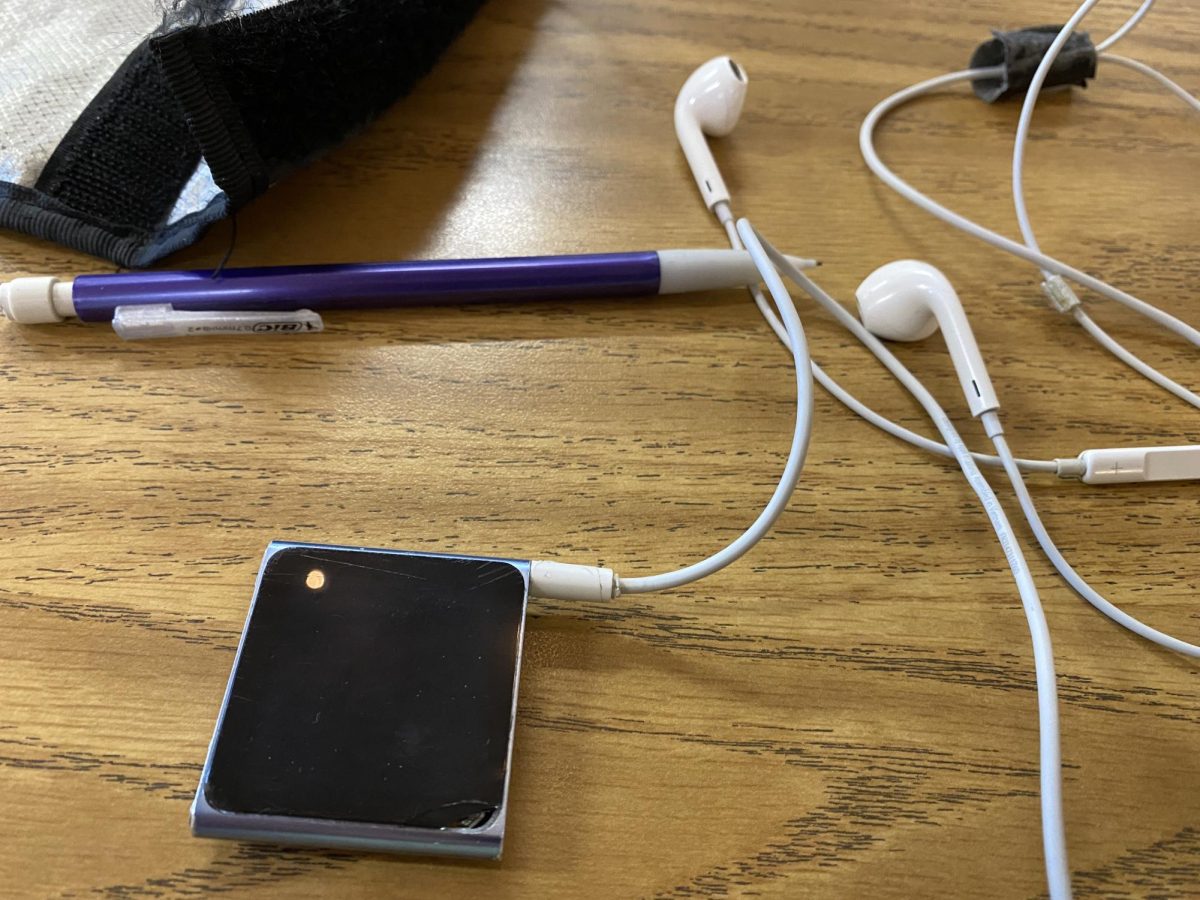
Music is more than background noise in students’ daily lives. For many, it is a source of motivation, creativity, and connection. Whether playing softly through headphones while studying or blasting through speakers after a long day, music shapes how students feel, think, and interact with the world around them.
For sophomore Enrique Medina, music plays an important role in managing emotions and staying productive. “It enhances my mood, whether I am sad, happy, or mad. It also helps me focus while I am drawing or doing school work.”

Like many students, Medina finds that the right playlist can turn a stressful homework session into a calm and focused experience. Music becomes a tool that helps block out distractions and create a personal workspace, even in busy environments.
Music is a powerful thing that can help students focus on school work, but it also goes beyond school work. Music helps tie communities together. It also inspires many people. From pep rallies to school dances, shared songs create shared memories.
When students gather at events or even hum the same trending song in the hallway, music becomes a common language that brings people closer.
Senior Alexa Salas appreciates music not only for how it makes her feel, but for the artistry behind it. “I enjoy listening to music because of how emotional and creative music artists are. I love a variety of music from electronic to emo and it’s fun to jump between genres and expand my taste. As well as dig deeper into happy or sad meanings in lyrics.”
Salas explains that exploring different genres allows her to better understand herself and others. By listening closely to lyrics and sound, she connects with the emotions artists share.
Students today have access to more music than ever before. With streaming platforms and social media, discovering new artists and styles is easier than ever. This access encourages students to branch out, explore cultures, and appreciate different forms of expression. Music can introduce listeners to new perspectives and stories from around the world.
Beyond academics and entertainment, music also supports mental well being. Many students use it as a healthy outlet to process emotions, reduce stress, or feel understood during difficult times. A favorite song can provide comfort, energy, or inspiration exactly when it is needed most.
Ultimately, music holds a unique power in students’ lives. It strengthens focus, fuels creativity, builds community, and provides emotional support. As students like Soto and Salas demonstrate, music is not just something to listen to, it is something that helps shape who they are.