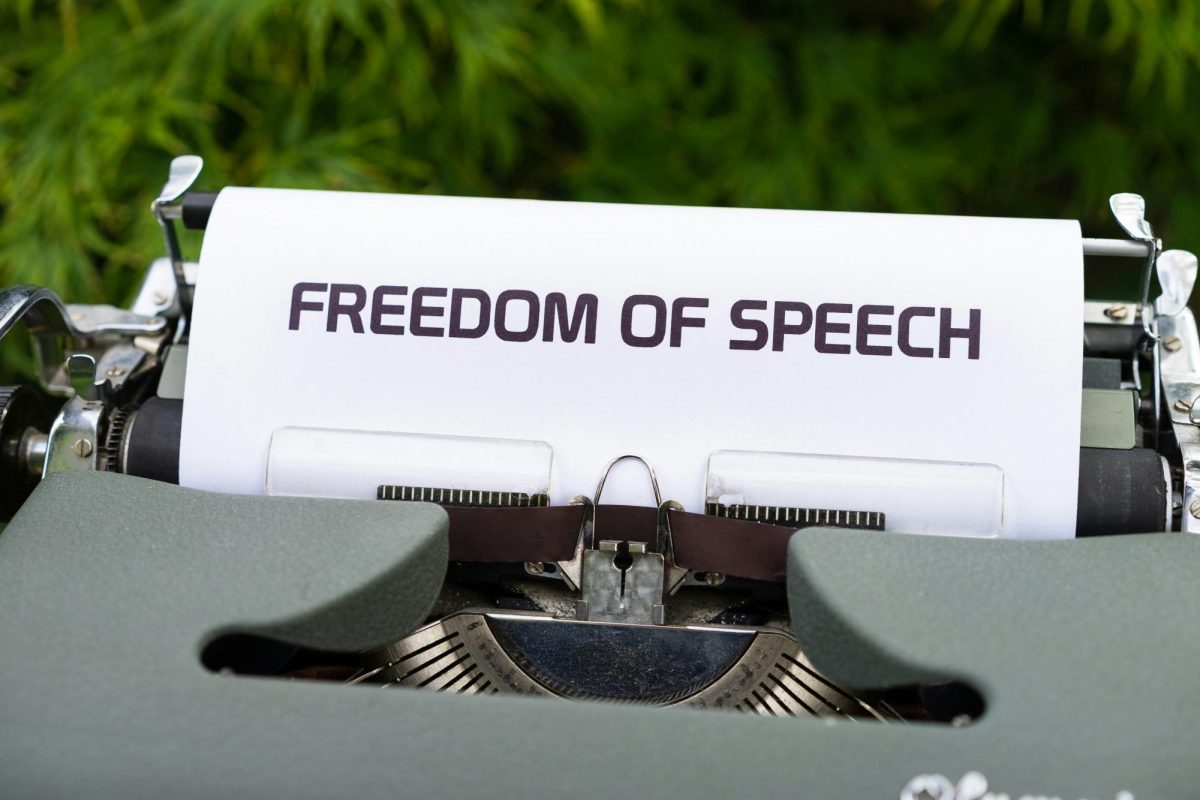
Censorship is the suppression of ideas and information that individuals, groups, or government officials deem objectionable. This can occur in any form of media including newspapers, magazines, books, film, art, etc. When materials are altered, restricted to certain audiences, or completely removed from public access, they are made by censors who believe their actions are protecting people from being negatively influenced and mitigating chaos.
There are debates on whether censorship is a good or bad thing. On one side of the spectrum, it is believed that censorship is necessary. Others believe that it is imperative for people to learn about their world and form their own opinions and ideas on a subject.
Censorship can take form in a variety of ways. For instance, a parent setting up content restrictions such as app-store limitations on their child’s phone to protect them from experiencing inappropriate content and ensuring digital safety. In this case, the parent is the censor and social media apps are what’s being censored.
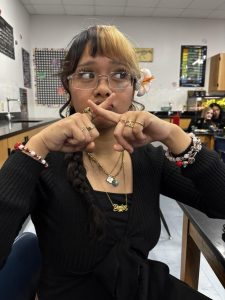
“In the context of school, censorship can appear as ignoring students’ voices, such as issues regarding bullying, and current events going on in the world that negatively impact students,” junior Gabriella Gatti explained.
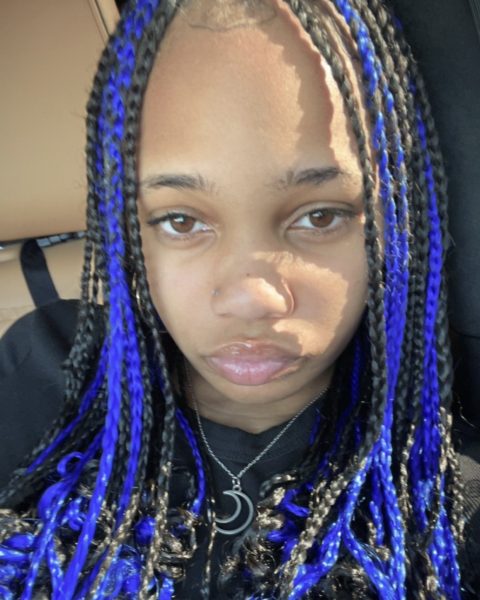
Junior Kennedi Allen added, “Censorship in the concept of school means not being able to truly express who you are without the fear of being outcast or judged.”
A more extreme example of censorship includes the banning of books involving themes of social justice, LGBTQ+ content, discussions of race and racism, gender identity, etc. This action prevents students from keeping an open-mind and learning about new perspectives, ultimately making it difficult for young people to develop empathy. When topics like race, identity, and social justice are censored, students lose the opportunity to understand others’ experiences.
Ultimately, censorship remains a controversial issue with no real answer. While some restrictions may be intended to protect people from harmful content, excessive censorship can limit important ideas and perspectives. The challenge is protection without violating free speech.
“Schools can have a balance of freedom of expression while maintaining a respectful and safe environment by ensuring proper repercussions,” Gatti expressed. “If someone’s opinion is not an opinion, but rather a violent or harmful way of thinking that targets another group of students, that student needs to be told why their thought process is harmful.”