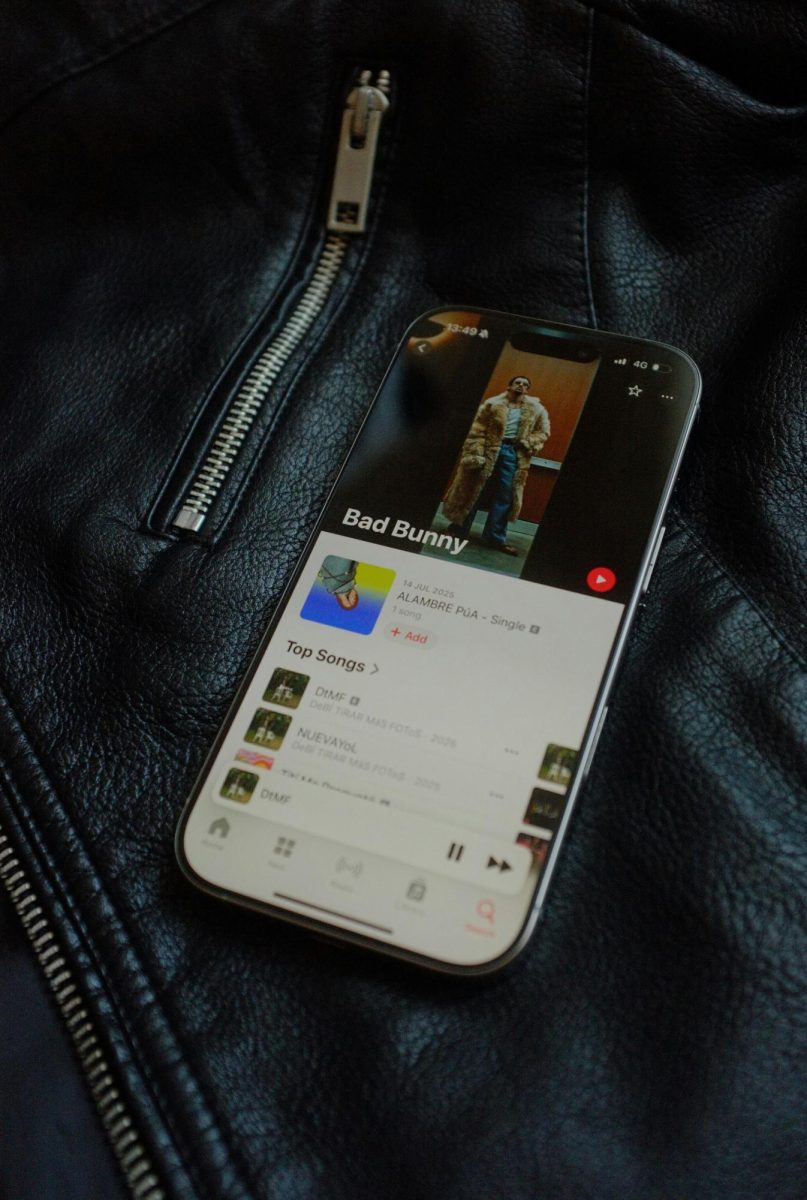
Benito Antonio Martínez Ocasio, better known as the electrifying Puerto Rican reggaeton/Latin Trap artist Bad Bunny, was chosen to perform at the Super Bowl Halftime show due to his international streaming popularity. Titled the “King of Latin Trap,” fans displayed an overwhelming amount of support; nonetheless, the selection spiked controversy and debates across the internet. Beyond being a global sensation, Martínez is not merely a music artist, he’s an activist who speaks out for marginalized groups through his music. He uses his platform to raise awareness about current issues, encouraging others to make their voices heard. For any artist, it can be easy to follow trends or try to fit into a certain mold, however, Bad Bunny shows that it’s possible to stay true to one’s culture, language, and identity and still become one of the most influential artists worldwide, making him a predominant figure in music.
Junior Kennedi Allen stated, “Bad Bunny staying true to his roots make him more of a loyal artist and makes people more comfortable to listen to his music.”
According to Biography, Martínez was raised in a lower-middle class home on the streets of Vega Baja, Puerto Rico, with his two younger brothers, Bernie and Bysael. His parents were ordinary people with ordinary lives and ordinary jobs. His father was a truck driver, and his mother was an English teacher. Brought up in a Catholic household, Martínez sang in the choir up until he was thirteen years old, turning his focus to making beats of his own within the comfort of his bedroom.
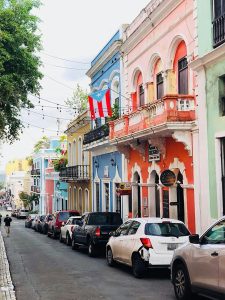
Influenced by his father’s love for salsa and his mother’s fondness for pop, music was a big part of his upbringing. Eventually, Martínez discovered reggaeton and grew a likeness for artists such as Daddy Yankee and Vico C. Bad Bunny’s humble background is inspiring to those who feel unmotivated to accomplish their dreams due to financial struggles or because they think their upbringing limits their potential.
“He still represents Puerto Rico in his music and talks about his culture proudly. A lot of artists once they get famous, but he still seems like himself,” junior Janelle Fiamordzi expressed.
From singing in the choir of a local Catholic church to collaborating with major artists, Martínez became a rising star in 2016 with his breakout single “Diles” which led to the record deal with Hear This Music. A couple years later, he collaborated with Cardi B and J Balvin on the hit song “I Like It.”
As stated by USA Today, Bad Bunny is the first musician to be titled Spotify’s Global Top Artist four times. From there, his career quickly took off, leading to hits such as “Soy Peor,” “Tití Me Preguntó,” and “Me Porto Bonito.” These songs helped push Latin Music further into the mainstream, breaking language barriers and introducing global audiences to Spanish music.
In the end, Bad Bunny’s music reaches people around the globe, and inspires others to stay true to themselves despite judgement or self-doubt.