
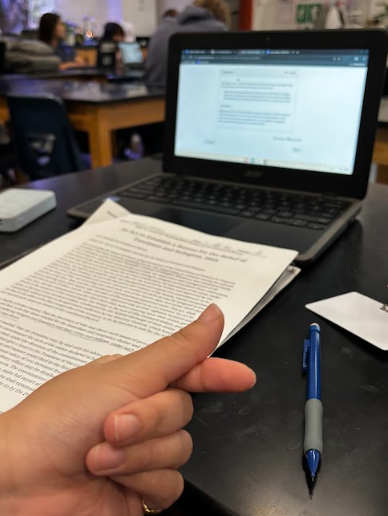
Near the end of the COVID-19 pandemic, some schools began to slowly reintroduce in-person learning for those who preferred face-to-face instruction, while still offering online learning as an option. Now that in-person education is back in full force, teaching methods have shifted, and so has the distribution of homework. Several teachers do not assign homework; however, when work is handed out in class and a student does not finish within the period, it is then considered homework. Still, there are teachers who do provide homework with the expectation that it will be fully completed and thorough by the deadline. After-school assignments are widely disliked by students around the globe, creating a great deal of discourse over homework and whether teachers should be allowed to assign it.
The concept of homework prepares students for the outside world by actively building study habits and time management skills while reinforcing what students learn in the classroom. Additionally, it encourages critical-thinking skills, reasoning, and the ability to use facts to support arguments. These skills will be vital later in life, such as in college, meeting financial deadlines, and in the workplace. Teachers guide students through lessons, introduce new concepts, and ensure that students come to an understanding. On the other hand, it is the student’s responsibility to remember the content. One of the best ways to do this is by completing homework, as it reinforces information covered in class. Nonetheless, homework becomes useless if the student is not completing the task independently (using Google or artificial intelligence to do the assignment is not the same as using it as a tool for comprehension).
In general, motivation can get in the way of doing school-work due to some internal factor such as doubt, stress, thoughts of failure, etc.
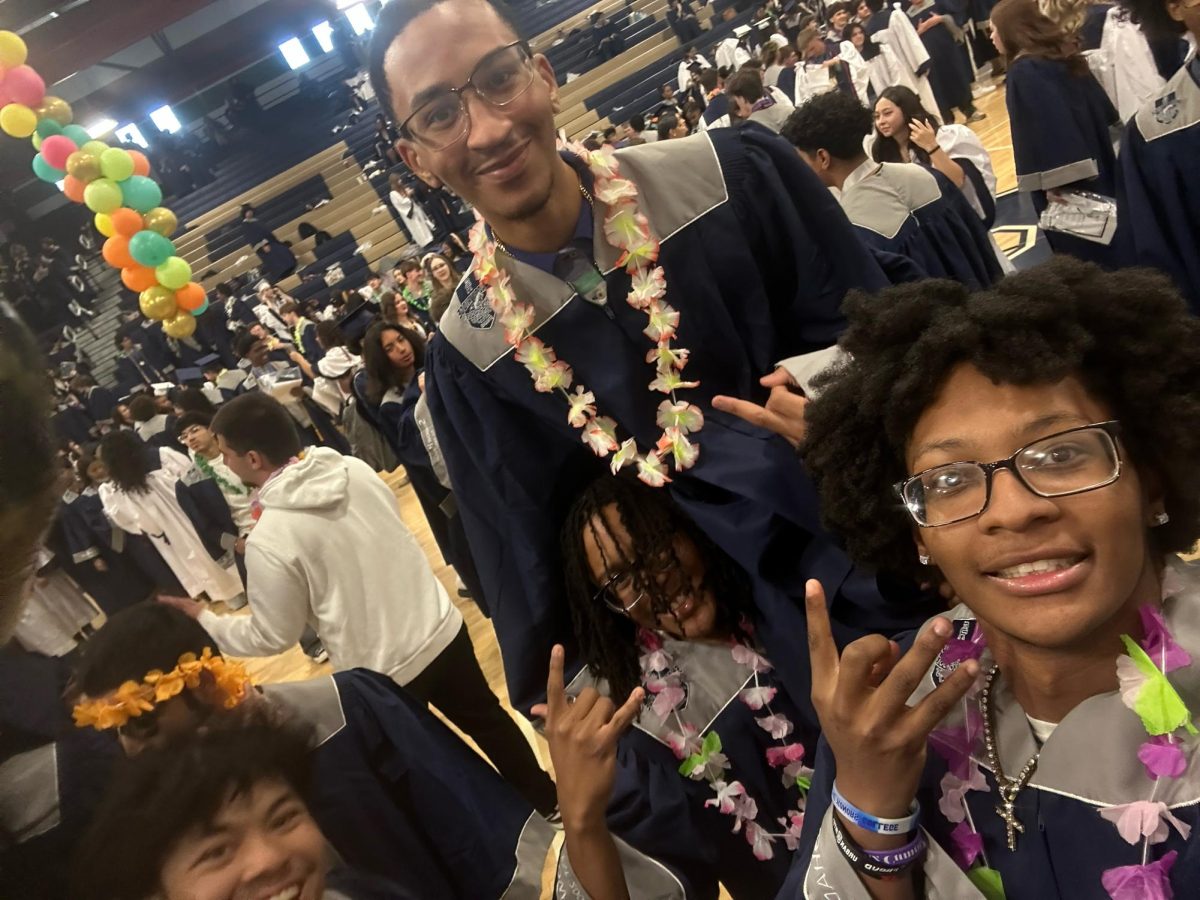
“I believe that I’m intrinsically motivated, and that there are certain parts of my character that only I could understand. Not just because of my past, but of my personalized experiences as well,” senior Mikael Johnson stated, explaining where he receives his motivation.
Some students may argue that homework is not beneficial because it does not contribute to their understanding or memory of the content. Like many things in life, it can be difficult to recall something after only going over it once or twice. A helpful way to remember information is by transferring it from short-term memory to long-term memory. This phenomenon is called active recall, or the testing effect, which forces the brain to retrieve information. Examples of study methods that use active recall include flashcards, practice questions, and teaching the topic to another person. When students simply write down notes or review them, it is considered passive learning, and they are not fully absorbing the material.
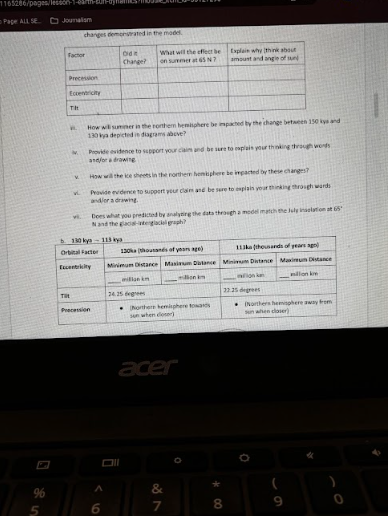
Senior Venice Nevine Velayo said, “Doing practice problems and reviewing notes taken in class can help when doing homework.”
Many teachers are understanding and acknowledge that sometimes students are unable to complete assignments on time due to other classes, athletics, clubs, jobs, and at-home responsibilities such as being a caretaker. Although this is true, teachers are not mind readers, which is why it is important to communicate with them and counselors when possible.
Nevine Velayo expressed, “When I’m struggling to complete an assignment I communicate with my teacher about my situation and see what I can do to make up for it.”
“Teachers are typically some of the nicest people you will ever meet. If you make an effort in their classes and it’s evident then they don’t mind going out of their way to guarantee your success,” Johnson added. “The scariest part is speaking up; however, once you’re able to swallow ego, pride, or even fear, and admit that you’re in need of assistance, than you’ve already won half the battle.”