
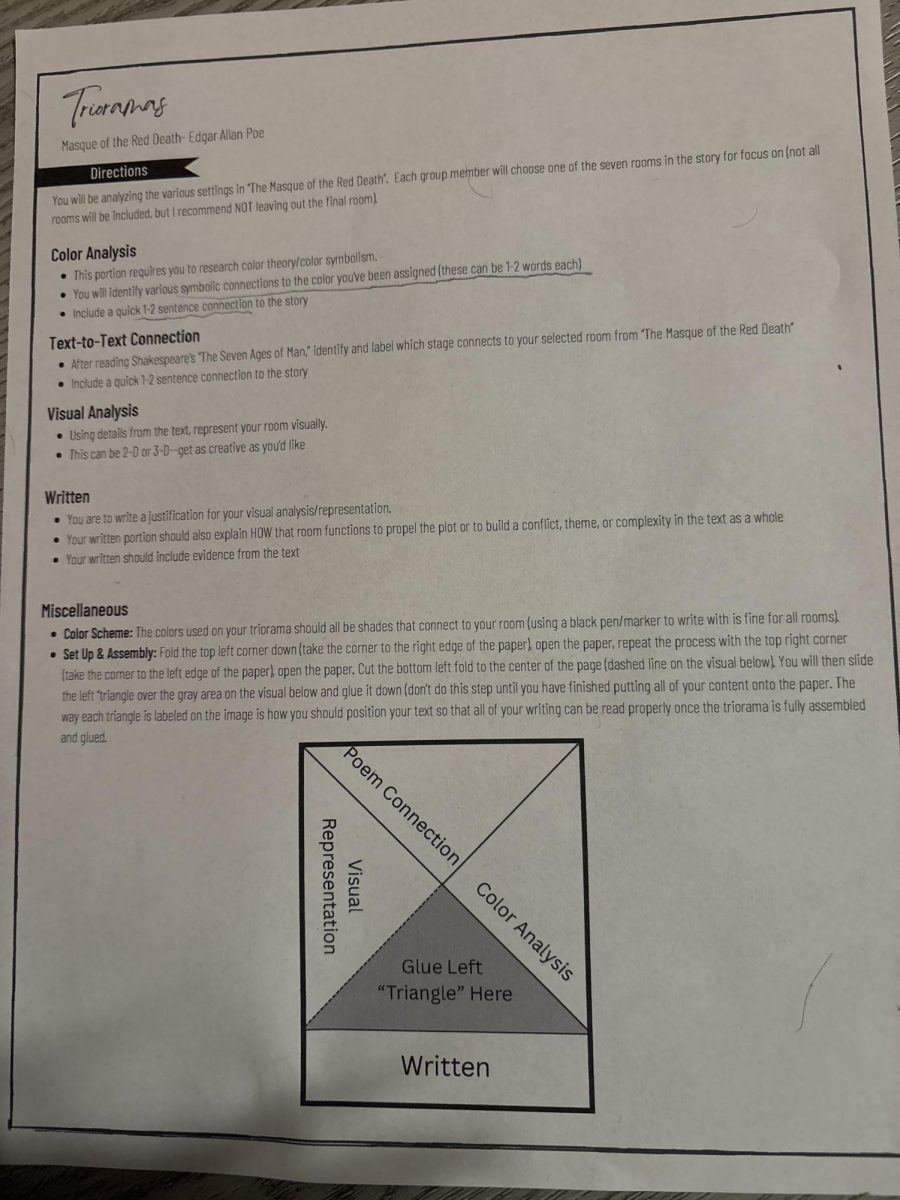
In classrooms across Shadow Ridge, students are often encouraged to “remember” information, whether it’s dates for a history test, formulas for math, or vocabulary for a quiz. As education becomes a bigger topic around the world, a debate has become more important than ever: should schools emphasize memorization, or should they prioritize comprehension? Understanding the difference between these two approaches helps reveal what real learning should look like. Memorization can be useful for quick tasks, but it doesn’t always lead to long lasting learning. Students might score well on a test, only to forget the content days later. While, comprehension leads to deeper, more flexible learning that stays with students long after the test.
Modern education requires skills that go beyond remembering information. Memorization falls short because the brain forgets information that isn’t used/understood. The students who rely on memorization may struggle when faced with unfamiliar situations. When students can truly understand the material, they can build on it, explore it, and apply it. When learning is reduced to repeating facts, students often lose interest and motivation. Comprehension requires students to think critically, evaluating evidence, recognizing patterns, and forming opinions.
Junior, Savannah Brown said “Go out of your way to teach yourself… Teachers will only teach one way, find your own study methods.”
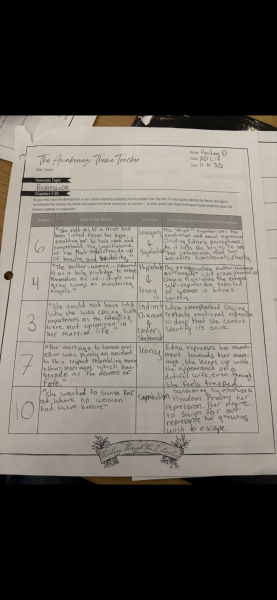
Jobs today demand communication, reasoning, and decision making skills rooted in comprehension, not memorization. Despite many limits, memorization is used because it seems “easier” to teach and grade based on the timeline schools are demanded to follow. School systems are very slow to change as well, many things must be considered when making nationwide changes especially to the education process. Some foundational knowledge does require memorizing basic core class information such as math facts, vocabulary, historical timelines, etc.
Effective education blends memorization with comprehension. Students need key facts but they also need to explore meaning and use knowledge in new ways. The shift the school should aim for has memorization as the foundation, comprehension to build the structure of understanding, and application to bring all of the learning into real world situations. A healthy classroom environment encourages students not to just ask what the answer is but why that is the answer as well.
As the world becomes more complex and information becomes easier to access, memorization alone is no longer enough. The schools need to help students develop deeper understanding skills that prepare them for problem solving, communication, and lifelong learning.
“Math people memorize the steps but don’t actually understand it.” stated Savannah. Emphasizing the importance of comprehension in schools.
When education moves from memorization to comprehending ideas, students are empowered not just to pass tests, but to thrive beyond the classroom.