


Despite being an essential life skill, most high school graduates know very little about financial literacy. In the 2025 Personal Finance Index (P-Fin Index), the results revealed that Gen Z correctly answered an average of only thirty-eight percent of the questions. In total, forty-nine percent of U.S. adults correctly answered the index questions in 2025—an identical percentage from the 2017 index. These findings indicate that financial illiteracy is widespread and an issue that must be addressed early in adolescence. Given that many begin working at a young age and earn an income, being well-informed about finances even before high school is highly beneficial.
A budget is a financial plan that keeps track of income and expenses to determine what to spend or save, typically revised. To budget efficiently, an individual must take their monthly income and organize it into categories such as personal expenses, rent, bills, and other necessities. For an ordinary teenager with no financial obligations, it is tempting to rampantly spend money on personal desires. However, when an individual spends more than they earn, it becomes a problem and produces poor financial decisions. Establishing preventative measures early will create positive money-saving habits.
Senior Venice Nevine Velayo said, “Impulsive purchases are definitely the biggest financial mistake young adults tend to make. A common occurrence amongst teenagers is to use their first paycheck to buy everything they’ve saved in their online cart without first thinking if they need it.”
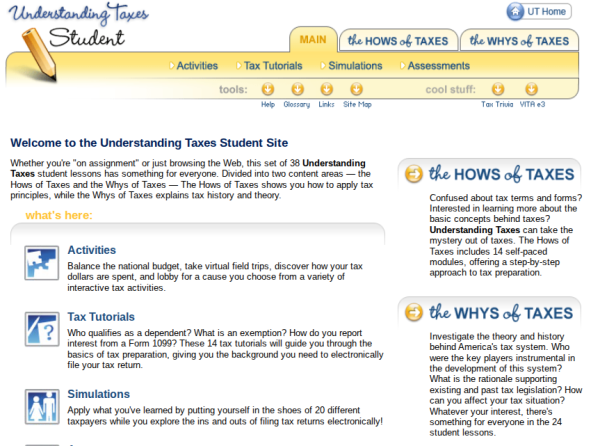
Working to understand taxes can be overwhelming initially, but after learning the basics, the process will flow. Taxes are compulsory payments to federal, state, and local governments, which disburse funds to public services and goods. These services include Social Security, Medicare, public transportation, and education, which are funded by federal taxes. There are various types of taxes, such as payroll, income, sales, and property taxes. Income taxes are most important for budgeting. Depending on a person’s salary, a certain amount of money will be deducted from their paycheck and sent to the government. Self-employed individuals must file their taxes on their own four times a year with the Internal Revenue Service (IRS). If these payments aren’t made, the person will be charged a large tax bill at the end of the year. To learn more, visit the Understanding Taxes Student website for additional information.
When cashiers ask, “Debit or credit?” They are asking the customer if they want to pay from their personal bank account or if they want to take a short-term loan from their card issuer. Debit cards differ from credit cards in that they take money directly from the customer’s bank account, avoiding a bill later. This is not the same as a prepaid card or gift card that has a set amount of funds on it. Essentially, the credit card option is borrowing money and facilitates a third-party payment that bills the user at the end of the month based on the purchases made in the previous 30 days. To put this into perspective, if a customer does not currently have the money available in their bank account to complete their transaction, they will use their credit card intending to pay off their total purchases at the end of the month. If a user does not pay their bill fully, they will fall into debt, which will eventually be added to their interest, ultimately hurting their credit.
Junior Janelle Fiamordzi expressed, “Someone could avoid debt by saving money early in life. I am more of a saver because I like to plan ahead. You never know what could happen.”
A credit report is an evaluation of a person’s borrowing and repayment history. It contains information on how the individual managed their past and current credit accounts and will then determine their credit score. This is a three-digit number that ranges from 300 to 850, primarily serving as an indicator of how responsible a person is at repaying their debts. There are primarily two scoring models, the FICO Score and the VantageScore, both of which consider different factors to weigh total credit. Credit scores are similar to grades: 800-850 is an exceptional score (an A), 740-799 is very good (a B), and 670-739 is good (a C) 580 to 669 is fair (a D), and anything lower—specifically 300-579 on the FICO model—is poor (an F). Maintaining a high score will be beneficial in that it provides access to lower interest rates on mortgages and loans, higher credit card limits, lower insurance costs, and a variety of other useful services.
Khan Academy offers a financial literacy course, among other life skill guides, where students can further understand what to expect after high school. Although seniors will cover financial education in the second semester of their government class, personal research is highly recommended.
Nevine Velayo suggested, “Have a parent build a savings account for you. Teenagers tend to have jobs or even allowances, so they could put half of their money in the savings and one for daily use.”