

In a rapidly growing world that is unstoppable, it may be challenging to balance an online and offline life. Those who were introduced to the advancement of technology during their teenage years or adult life know what life was like without phones. Some were born in the age of cellphones but still managed to have a childhood without involving technology and the real world. And then there are those who are born into the digital world that know nothing of life without it. Today, it is impossible to navigate life without a screen, and it can come with its negatives.
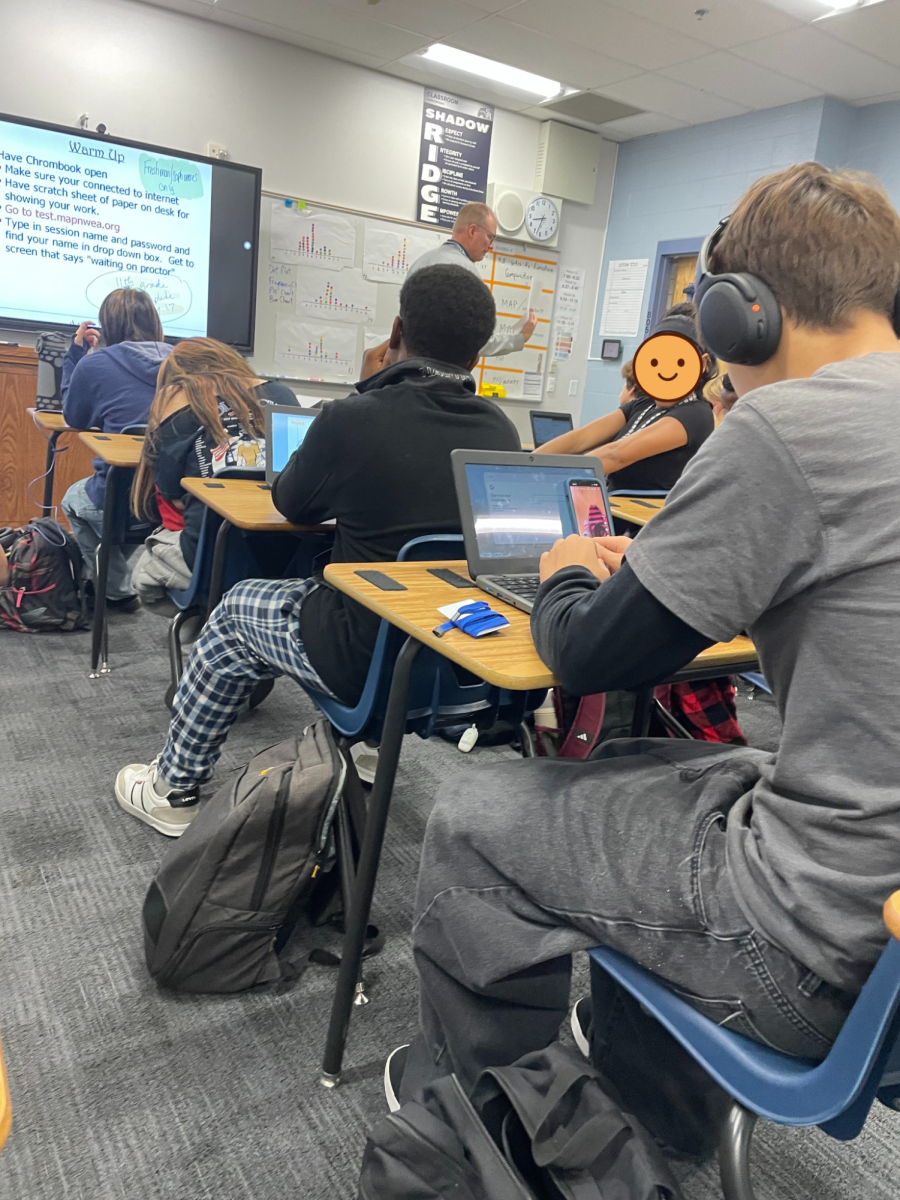
For students of all ages, screens are constantly in their faces, whether it’s a phone, television, laptop, or simply schoolwork. As the world advances, people follow, and so the implementation of technology in schools—particularly Chromebooks or iPads—contributes to excess screen time. Some may have heard of the term ‘iPad kid,’ which refers to a child who has unlimited access to the internet. As stated by the Screen Time Consultant, children are handed iPads at the earliest age of 5 by their school, and in some cases by their parents to keep them busy, and so the course of addiction begins.
Junior Janelle Fiamordzi stated, “Most students think that screen addiction isn’t as big of a problem as it is. I’ve found myself doom scrolling and then end up not doing my homework.”
Senior Venice Nevine Velayo added, “Students misunderstand that screens could fix issues specifically depression, when the relationship is more complex and driven by underlying mental health issues.”
There are various factors that come into play when it comes to the cause of phone addiction, including environmental, social, and psychological, but the greatest culprit is social media. Social media is a digital drug that makes the user feel that they’re missing out if they aren’t constantly checking their feed, which will eventually lead them to stay on the media; this is a form of anxiety called FOMO (Fear of Missing Out) that contributes to phone dependence, in addition to the need for belonging. The internet is a bridge that connects people from all over the world. For some people, the internet replaces a person’s loneliness for a short while until the illusion wears off.
“To be honest, I have a fear of missing out. I like to be updated with stuff regardless if it’s sad, or funny, or concerning,” Nevine Velayo voiced. “Though I also don’t because I can do my daily activities without relying on a screen to fulfill my enjoyment.”
When a person engages in pleasurable activities, the brain releases a neurotransmitter called dopamine, and higher dopamine levels motivate that individual to repeat the same activity. Drifting from the task will decrease those levels but increase the desire to gain them back. Unfortunately, this creates a vicious cycle of screen addiction and contributes to mental health deterioration.
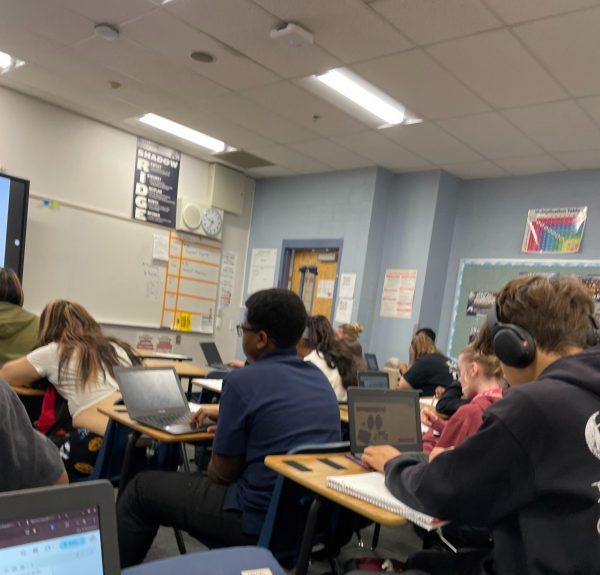
Social media platforms like TikTok and Instagram have caused mental exhaustion, or brain rot, meaning the mental fatigue people experience after consuming copious amounts of media. As a result of this, academic performance in the US has declined significantly. According to The Varsity, a 2018 Pew Research Survey concluded that 31% of teenagers lost focus in class, and since then that percentage has only increased. Based on Inspira Health, mental exhaustion has long-term effects on the brain, including decreased memory retention, increased anxiety and stress, reduced attention span, lethargy, and mental fog.
Nevine Velayo expressed, “Screens have affected my sleep, homework, and focus in class. Primarily, all homework is on computers and there is less paper to write on. It affects my vision and leaves me having a short attention span.”
To balance a healthy online and offline life, it is important to develop a sense of discipline and self-control; in this case, setting boundaries (daily screen time limit) will be practical. By setting these boundaries, it will become easier to step away from phones, laptops, and other electronic devices. Truth be told, with the current world, it can be hard to limit screen time, as most things have migrated online, such as homework, job applications, mail, books, etc. However, with dedication, the impossible can become possible.