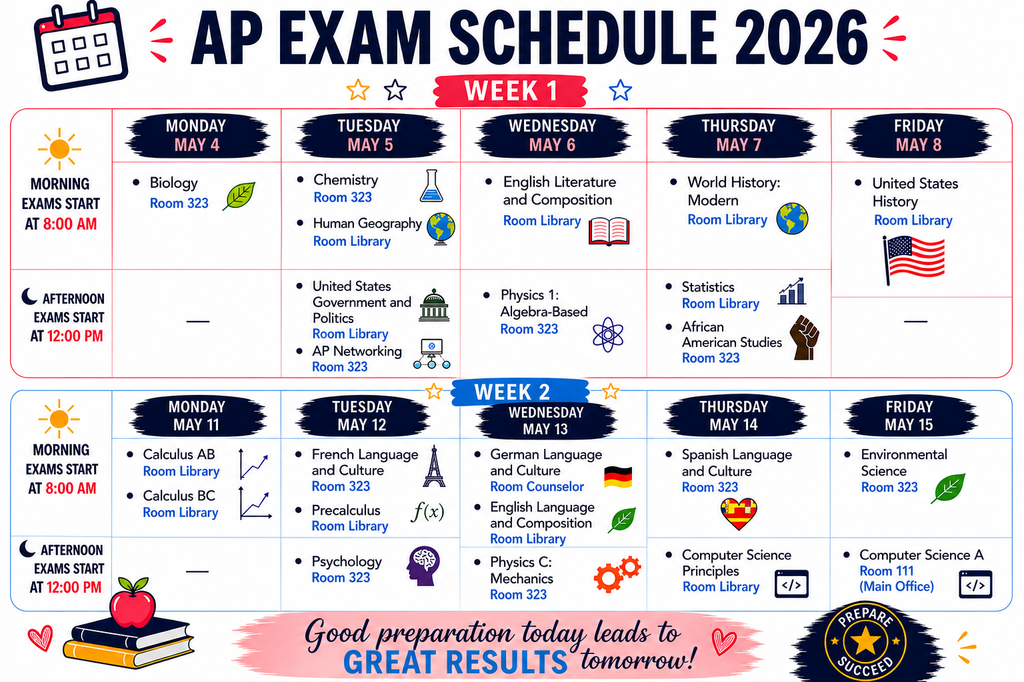


Challenging courses such as honors and AP are beneficial for students who wish to improve their skills and learn new ones, even if they do not receive a passing grade on the AP exam. Advanced Placement (AP) classes can be intimidating due to their college-level rigor. However, for those registering for their first AP class, there are beginner-friendly options that introduce a manageable challenge. For the first time in Shadow Ridge history, students have enrolled in AP African American Studies (AP Afro or APAAS), a course that develops skills in data analysis, historical research, argumentation, and analytical writing.
Junior Janelle Fiamordzi stated, “Studying African American history in a structured course is important in today’s world, because it provides more information and knowledge about the challenges that African Americans have faced throughout history without sugar-coating or sweeping it under the rug.”
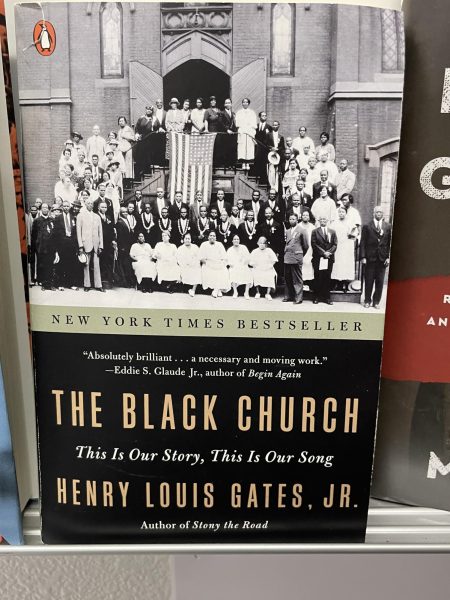
(Savannah Brown)
According to College Board, the nationwide pass rate for AP Afro in 2025 was 79.2 percent, making it an ideal choice for beginners. Taking AP Afro allows students to earn elective college credit, gain valuable experience, set expectations for college-level coursework, and develop important life skills.
AP African American Studies teacher Mrs. Mason explained, “It gives you a fuller perspective on US history, whereas in US history, you’re speeding through pretty fast topics and not getting in-depth. This provides us an opportunity to take one aspect of it and go a little deeper.” Mrs. Mason advocated for the class three years ago because she “felt like the class was too valuable to not include it at the school.”
AP Afro is not just a history class; it covers a variety of topics, including the African diaspora, diverse civilizations, ancient traditions and practices, and challenges common misconceptions. It explores Black identity before enslavement and addresses heavy subjects such as slavery, racism, and sexism. Students learn about powerful Black abolitionists who contributed to change by defying stereotypes, demanding equal rights, addressing slavery in speeches, and publishing books to humanize Black people and build empathy. All these efforts supported the abolition of slavery.
A significant portion of the course focuses on slavery, providing details students wouldn’t typically learn in a standard history class. Topics include the transatlantic slave trade, slave laws, and the physical and emotional abuse endured by enslaved people. While slavery is a difficult topic to teach and learn, as George Santayana said, “Those who cannot remember the past are condemned to repeat it.” The course highlights the resistance of individuals who fought against a system designed to oppress them, inspiring hope among enslaved people and sparking revolts such as the Haitian Revolution.
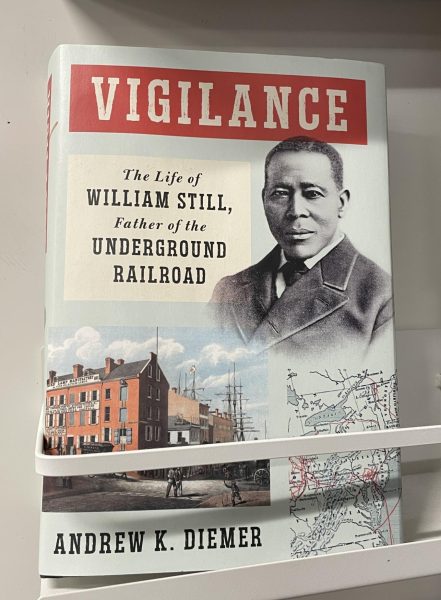
(Savannah Brown)
Mrs. Mason added, “There’s a lot of slavery, but it does try to show more perseverance and the willingness to fight. It’s not just about subjugation and all these horrible things that happened,” Mrs. Mason stated. “It may seem like we dwell on the dark stuff for a long time, but the second semester in particular is far more modern, far more positive. It does get better.”
Students should consider joining AP African American Studies because it helps them understand history that still connects to issues individuals face today. It offers a deeper understanding of history, culture, and social movements that aren’t fully covered in traditional classes. It encourages meaningful discussions about resilience, identity, and inequality. By taking AP Afro, students gain a broader view of the world.