
At Shadow Ridge High School, students are able to take advanced English classes such as AP Literature and AP Language. Both of these college-level courses offer their own unique advantages that cater to students’ interests and strengths in English. While both are challenging classes, they differ in focus, structure, and the skills that they help students develop. AP Literature focuses more on analyzing fictional novels and poetry, students are meant to interpret stories and explore literary themes. On the other hand, AP Language focuses on nonfiction texts, rhetorical strategies, and argumentative writing.
AP Literature offers students an opportunity to take a rigorous course that is college-level which analyzes fictional texts. This class emphasizes critical thinking, reading, and writing skills that allow students to explore deeper meanings, make connections, and develop stronger analytical skills. Students use literary devices to analyze how authors create meaning, tone, and effect in a text.
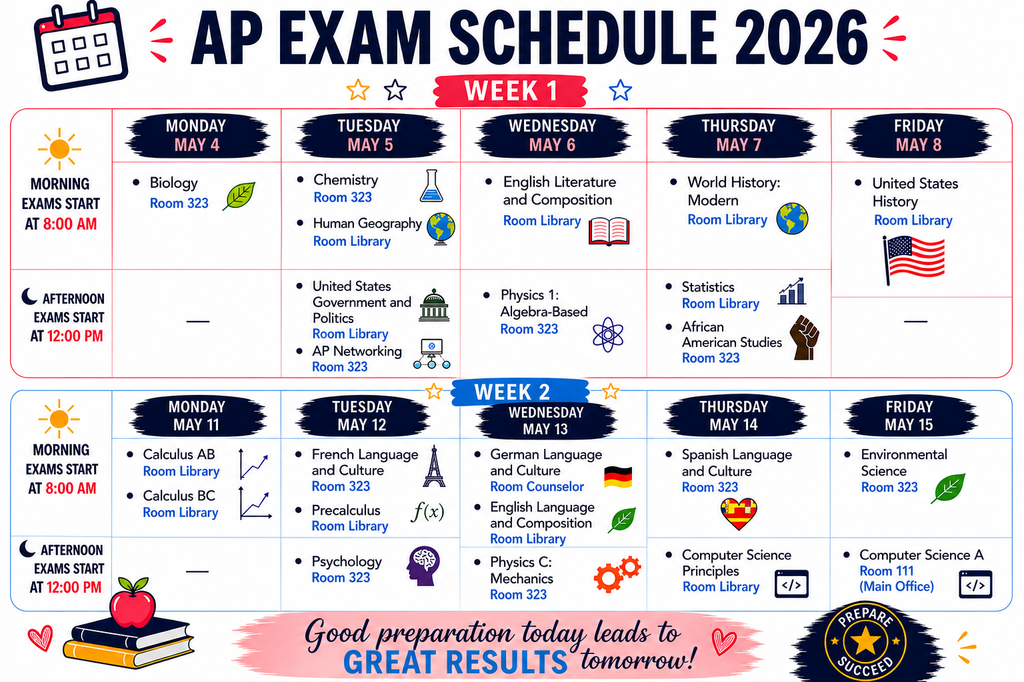
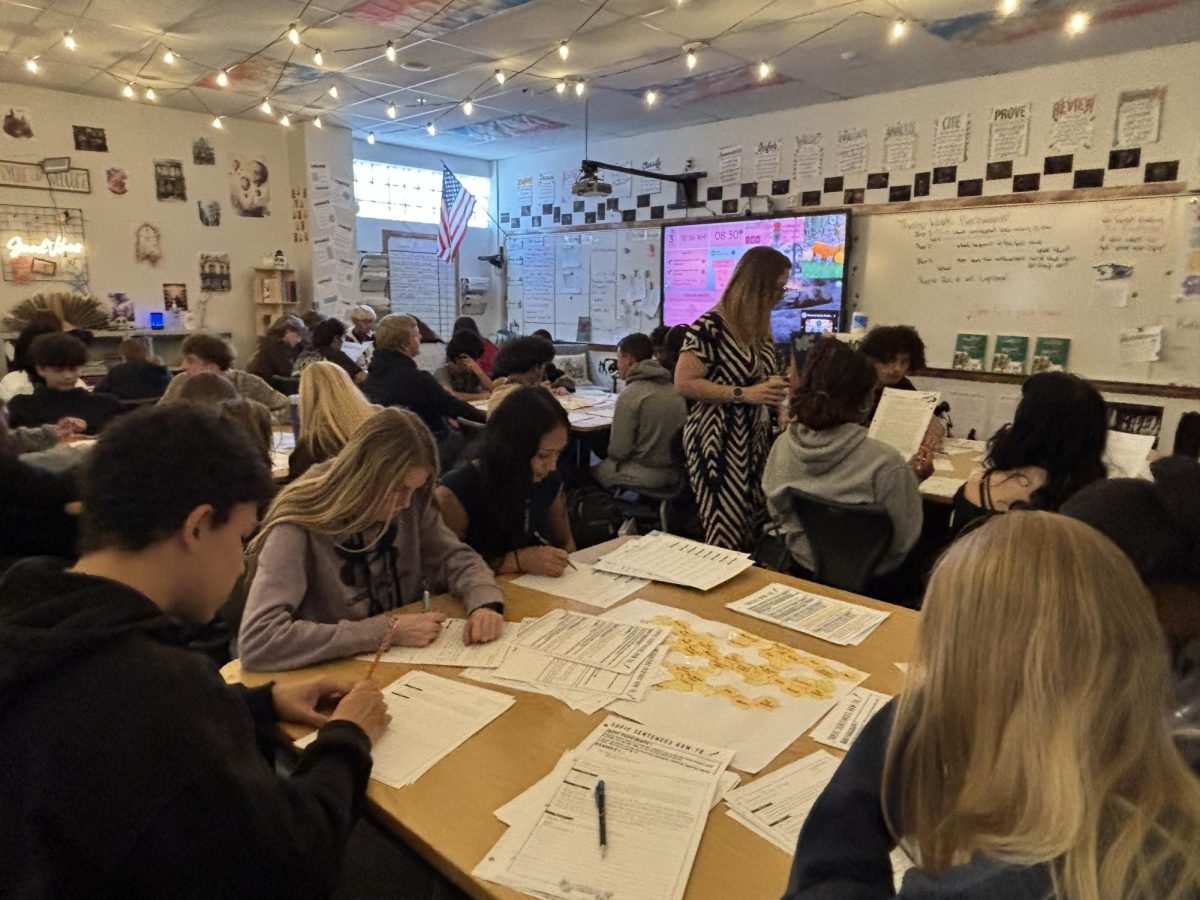
Students practice writing everyday in a variety of ways from incorporating quotations, developing thesis statements, and participating in online discussions, preparing them for the AP exam, which consists of multiple choice questions and 3 timed essays on poetry, prose, and free response.
“We look at things like how an author employs diction, how the syntax builds tone, and just how different skills develop larger ideas,” states Shelby Sullivan, AP Literature teacher. “There will be some potential vocabulary and action questions, but it’s basically the stuff that we practice every day in class. So if students are partaking in the day to day activities, they will have a foundation to take the test.”
AP Literature’s emphasis on close reading and literary analysis often attracts students who enjoy reading fictional novels and poetry.
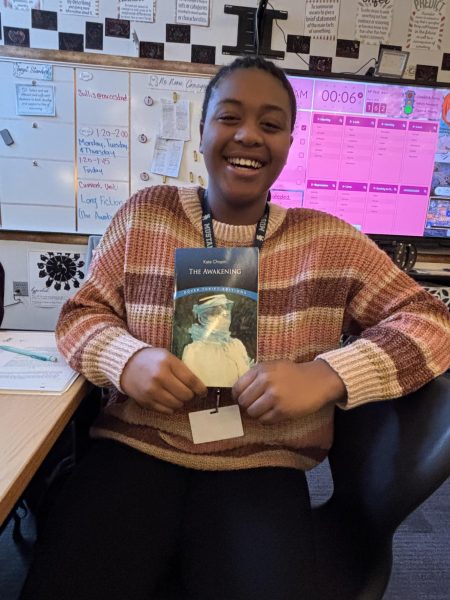
“I picked AP Lit instead of AP Lang because I love reading fiction, and I think analyzing stories and poems is fun and comes easily to me,” states Mahaila Nickels, an AP Literature student.
AP Language offers students a rigorous, college-level course that focuses on rhetoric argument and how to analyze how people write arguments and how to create an effective argument. This class emphasizes how authors build arguments and learn how to craft strong arguments of their own. Students explore nonfiction texts such as articles, speeches, and letters to understand how writers use evidence, structure, and rhetorical choices to communicate their ideas effectively.
Students practice writing in a variety of ways from developing claims and analyzing rhetorical strategies to writing argumentative essays. All writing in the course connects back to argument, helping prepare students for the AP exam which is multiple choice questions where they will need to analyze the rhetoric in text and also write choices, 3 essays, where students write an argument based on documents, analyze a text and the author’s rhetorical choices, and an argument on an abstract topic.
“We focus on elevating writing styles,” states Tania Mason, AP Language teacher. “That includes trying to break some of the formulaic writing students have been trained to do and really focus on adding their own voice and opinions into the paper. At the end of the course, I can guarantee the average student becomes a better writer.”
AP Language emphasis on reading and understanding nonfiction texts.
“I chose AP Lang instead of AP Lit because analyzing poems and reading books outside of class just isn’t my thing,” states Marianna Nelson, an AP Language student. “In AP Lang we look at real-world controversial issues which I find more interesting to learn about.”
Overall, AP Literature and AP Language are both great college-level experiences that challenge students. Choosing which between the two courses depends on the student’s interests and strengths in English, but both provide skills that prepare students for college.